How to meditate when you can't sit still: a 5-minute guide for beginners
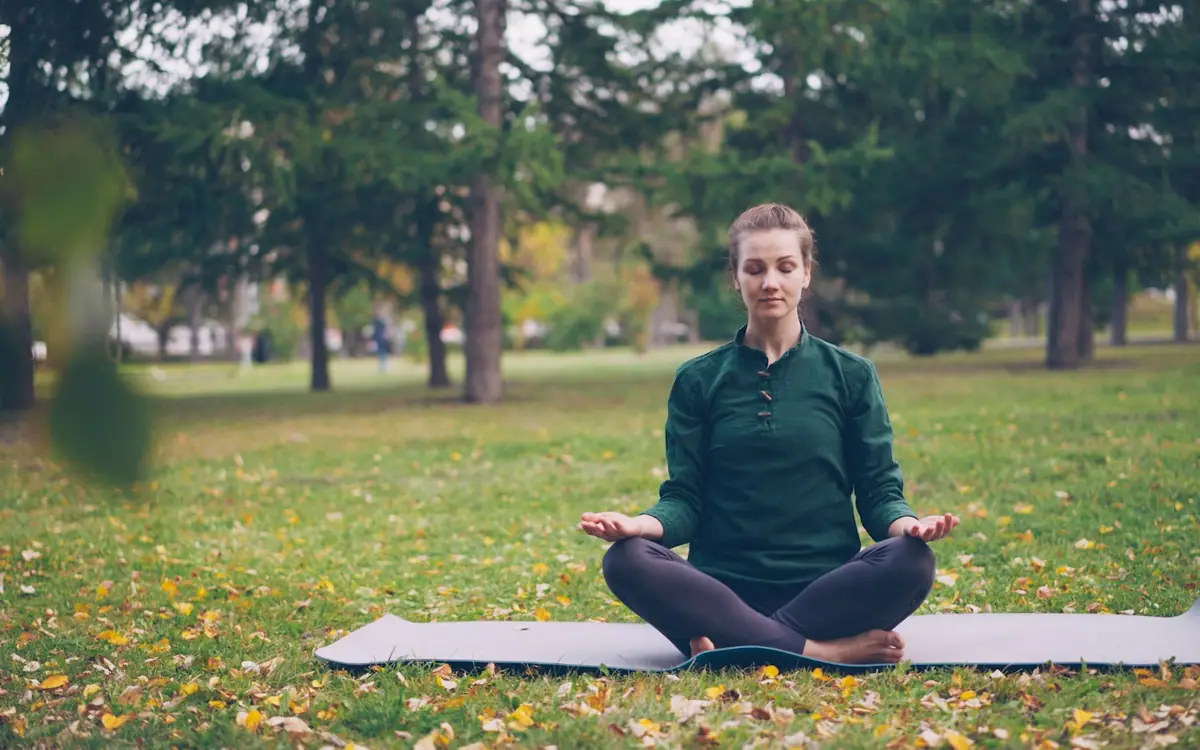
Quick answer: To start meditating, sit comfortably for 5 minutes, rest your attention on your breath, and every time your mind wanders, notice it and gently bring it back. The wandering isn't failure. Noticing and coming back is the exercise. Research on mindfulness programmes shows modest but real benefits for stress, anxiety and sleep, especially with regular practice.
Most people give up on meditation in the first week for the same reason: "I can't stop thinking." Nobody can. Meditation isn't about an empty mind. It's about training where your attention goes, the way a gym trains a muscle. Every time you bring your mind back, that's one rep.
What meditation actually does
- Trains your attention. You get better at noticing when your mind has drifted, and at bringing it back.
- Creates a pause. With practice, there's a little more space between a feeling and your reaction to it.
- Calms the stress response. Steady attention with relaxed breathing shifts your body towards its "rest and digest" mode.
Reviews of mindfulness-based programmes have found moderate improvements in anxiety, low mood and stress. It isn't magic, and it works best as a short daily habit rather than an occasional long session.
The 5-minute beginner method
1. Set up (30 seconds)
Sit on a chair with your feet flat, your back upright but not stiff and your hands resting on your thighs. Close your eyes, or rest them softly on the floor. Set a timer so you don't check the clock.
2. Find your anchor (30 seconds)
Notice where you feel your breath most clearly: the tip of your nose, your chest or your belly. That spot is your anchor. Don't change your breathing. Just feel it.
3. Count your breaths (3 minutes)
Silently count each out-breath, from 1 to 10, then start again at 1. If you lose count, or find yourself at 23, simply start again at 1. That's not a mistake. It's the moment of noticing.
4. Notice, name, return
When a thought pulls you away, give it a one-word label, like "planning", "worrying" or "remembering", and return to your breath. Be as gentle as you would with a puppy that wandered off.
5. Close (1 minute)
Let go of the counting. Notice the sounds around you and the weight of your body on the chair. Take one slow breath and open your eyes.
If you really can't sit still
- Walking meditation: walk slowly for 5 minutes and feel each step: heel, sole, toes.
- Eyes-open practice: rest your gaze on one object, like a plant or a candle, and come back to it whenever your mind drifts.
- Body scan: lying down, move your attention slowly from your toes to the top of your head.
- Guided recordings: a calm voice gives a busy mind something to follow.
Common beginner worries
- "My mind won't stop." Normal. Every return to the breath is the practice working.
- "I feel restless or itchy." Treat it as just another sensation to notice. If you need to move, move slowly and on purpose.
- "I keep falling asleep." Sit more upright, open your eyes a little, or practise earlier in the day.
- "Is 5 minutes enough?" Yes. Doing it daily matters more than doing it for long. After two weeks, try 10 minutes.
Make it stick
- Same time, same place. Attach it to something you already do, like after brushing your teeth or before your first coffee.
- Start smaller than you think. Five minutes you actually do beats twenty you keep postponing.
- Tick it off. Mark each day on a calendar. Missed one? Just do today.
A gentle note
Meditation is safe for most people. For a few, especially those with past trauma or severe anxiety, focusing inwards can bring up difficult feelings. If that happens, open your eyes, switch to walking meditation, or work with a therapist trained in mindfulness. Meditation can support, but not replace, treatment for anxiety or depression.
Medical Disclaimer: This content is for general health information only. Always consult a qualified healthcare professional for medical advice.
Want the full guide?
This article is a preview. The e-books go a lot deeper.