Fluoride vs hydroxyapatite toothpaste: which one should you use?
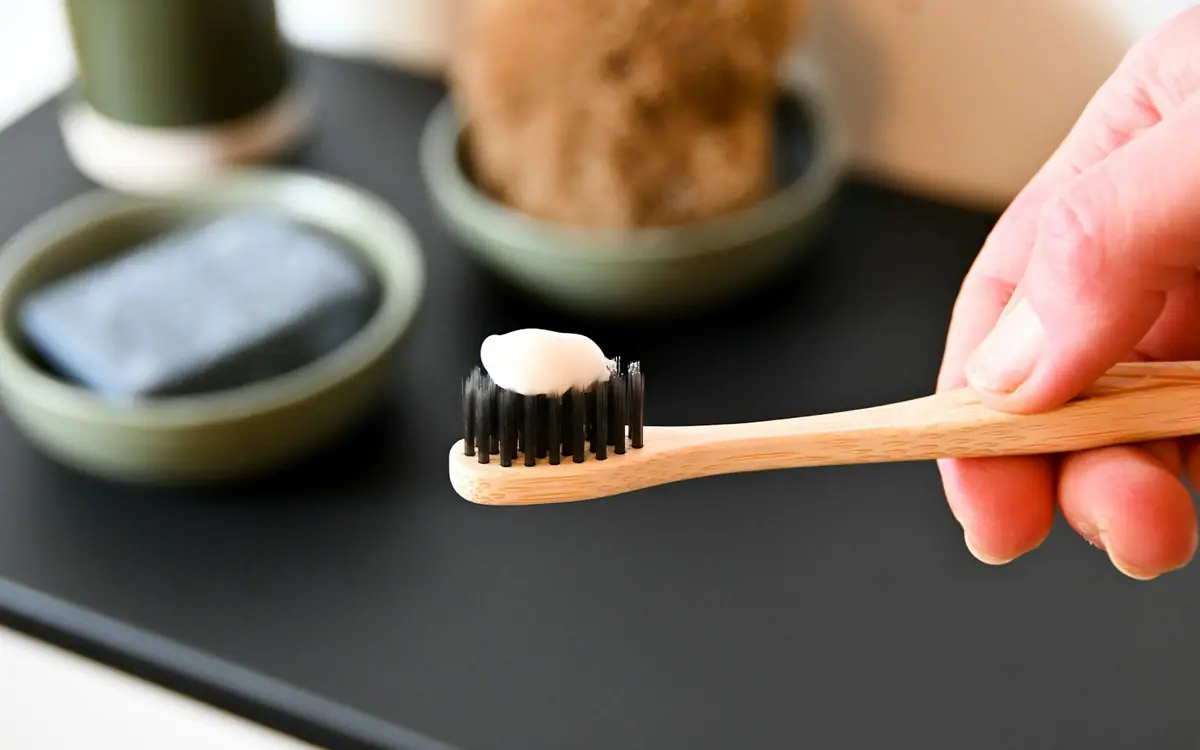
Quick answer: Both protect your teeth. Fluoride has decades of evidence and is the default choice dentists recommend for most people. Hydroxyapatite is a fluoride-free mineral alternative that, in trials of about 18 months, prevented cavities about as well as fluoride, and also helps sensitivity. Choose fluoride if you want the most proven option, and hydroxyapatite if you prefer fluoride-free or your child tends to swallow toothpaste.
Hydroxyapatite toothpaste is one of the fastest-growing trends in oral care, and fluoride is being questioned more than ever online. Here's what the science actually says, without the hype from either side.
How fluoride works
Fluoride makes enamel more resistant to acid and helps repair the earliest stage of decay, the chalky white spots that come before a cavity. It is the most studied ingredient in dentistry. Most Indian toothpastes contain around 1,000 ppm (parts per million) of fluoride; the amount is printed on the pack.
What hydroxyapatite is
Hydroxyapatite is the mineral that makes up most of your enamel. In toothpaste, tiny particles of it settle into microscopic gaps on the tooth surface, help rebuild early weak spots and can seal the tiny channels that make teeth sensitive. It's safe if swallowed, which is why it's popular for young children.
What the research shows
- In an 18-month trial in children, a 10% hydroxyapatite toothpaste prevented new cavities about as well as a fluoride toothpaste.
- A similar 18-month trial in adults found the same: hydroxyapatite was not worse than a standard fluoride paste.
- Studies also show it reduces sensitivity.
- But the evidence is far smaller than for fluoride, which has been tested in many thousands of people over decades. That's why dental associations still recommend fluoride first.
Which one should you use?
- Most adults: a fluoride toothpaste. It's proven, cheap and easy to find.
- You prefer fluoride-free: hydroxyapatite, ideally around 10%.
- A young child who swallows toothpaste: hydroxyapatite, or a rice-grain smear of fluoride paste under age 3.
- Sensitive teeth: a sensitivity paste with hydroxyapatite, potassium nitrate, stannous fluoride or arginine.
- Lots of cavities: ask your dentist. You may need a higher-fluoride paste or a fluoride varnish.
How to get the most from any toothpaste
- Use a pea-sized amount (a rice-grain smear for children under 3).
- Brush for two minutes, twice a day.
- Spit, don't rinse. Rinsing with water washes the active ingredient off your teeth.
- Wait about 30 minutes after acidic food or drinks (lemon water, soft drinks, fruit juice) before brushing, as softened enamel wears more easily.
Skip these
Charcoal toothpastes have no good evidence for whitening or "detox" and can be abrasive. Lemon juice or baking soda scrubs wear away enamel for good. A toothpaste with neither fluoride nor hydroxyapatite won't protect against cavities, whatever else the label promises.
Medical Disclaimer: This content is for general health information only. Always consult a qualified healthcare professional for medical advice.
Want the full guide?
This article is a preview. The e-books go a lot deeper.